Software engineering
I build the systems myself — intake pipelines, integrations, dashboards, automations — rather than stopping at a recommendation and handing you a vendor list.
Ashkan Gholizadeh runs Operisys, building automation for regulated and trust-dependent firms — accountants, solicitors, recruiters, brokers, healthcare practices — and documenting the data side of it, so the result holds up when a client or a regulator asks.
Strong professional work still depends on a strong operation.
I build the technology behind that operation.
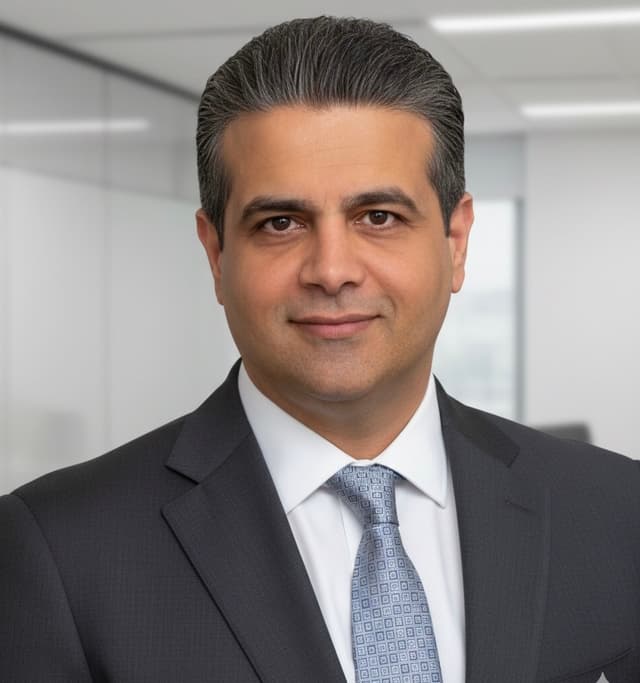
Operisys is run by Ashkan — a software engineer with a law background. An LLB, an LLM in international commercial law, and years building systems for environments where the data can't leak and the process has to hold up afterwards. You deal with the person doing the work. Where a job needs a specialist, I bring one in and say so.
I build the systems myself — intake pipelines, integrations, dashboards, automations — rather than stopping at a recommendation and handing you a vendor list.
An LLB and an LLM in international commercial law. Edge cases, risk, and careful language are part of the design from the beginning, not a review bolted on at the end.
Every automation ships with a written note: what data it touches, where that data goes, the lawful basis, and how long it is kept.
Years building systems for environments where the data can't leak and the process has to stand up when someone checks it afterwards.
Most professional firms do not suffer from a lack of software.
They suffer from fragmented intake, manual document chasing, slow follow-up, job status that lives in people's heads, and reporting rebuilt by hand every month. The professional work is strong; the operation around it is running on inboxes and memory.
These firms also have a problem a generic automation consultant cannot solve: they hold confidential client data, so “just put it in a chatbot” is not an available answer. That question — what data goes where, on what lawful basis, for how long — is the one I can answer as well as build around.
Every engagement starts with diagnosis, using the Operisys Modernisation Framework — OMF — a structured way to score how a firm runs across six pillars:
The framework reveals where time, clients, and control are being lost — and where fixing the operation creates the most practical impact. It is a transparent, deterministic diagnostic, not a black-box AI score.
The right engagement depends on the operation, data, users, integrations and outcome involved. Book a short call and I will identify the most sensible starting point before any proposal is prepared.
Day one maps how work moves through your firm and finds the three repetitive tasks worth automating. Day two builds one of them, working, in your tools.
What AI may and may not do in your firm, agreed before anything goes live — with approval controls, access limits and a record of what data each automation touches.
A bounded monthly scope for monitoring, agreed improvements, reporting, and AI-boundary governance. Additional implementation is scoped separately.
I will not sell AI magic where a structured workflow would be safer.
I will not replace professional judgment with unsupervised model outputs.
I will not build demo-only systems that collapse when real staff, real clients, and real data are involved.
I will not recommend automation where the process itself is broken.
I will not push you to replace a case management system that already does its job.
Twenty minutes is usually enough to tell whether there is repetitive work here worth automating and whether the data involved can be handled safely. If there isn't, I'll say so.